የጥበቃ እና መዝናኛ መምሪያ
 መጠበቅ. መከላከል. መደሰት.
የጥበቃ እና መዝናኛ መምሪያ 


 ማውጫ
ማውጫሰሜናዊ ሃርድዉድ ደኖች
የዚህ ቡድን እፅዋት በምዕራብ ቨርጂኒያ ውስጥ በከፍተኛ ከፍታ (> 900 ሜትር [3 ፣ 000 ጫማ]) ላይ የሚገኙ የተቀላቀሉ ጠንካራ እንጨቶችን ያካትታል። የደቡባዊ አፓላቺያን ምሳሌዎች ከሰሜን ካሮላይና እና ቴነሲ ከፍተኛ ከፍታዎች እስከ ደቡብ ምዕራብ ቨርጂኒያ እና ምስራቅ ኬንታኪ ድረስ ይገኛሉ። የመካከለኛው አፓላቺያን ምሳሌዎች ከደቡብ ምዕራብ ቨርጂኒያ ወደ ሰሜን እስከ ከፍተኛው የአሌጌኒ ተራሮች እና የሰሜናዊ ፔንስልቬንያ እና የደቡብ ኒውዮርክ ያልተሸፈነው አሌጌኒ ፕላቶ ይደርሳሉ።
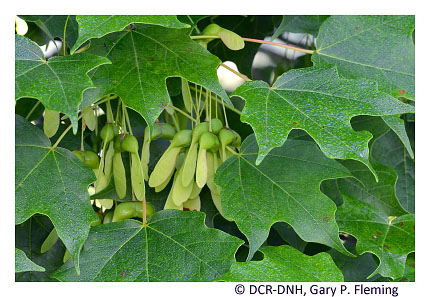
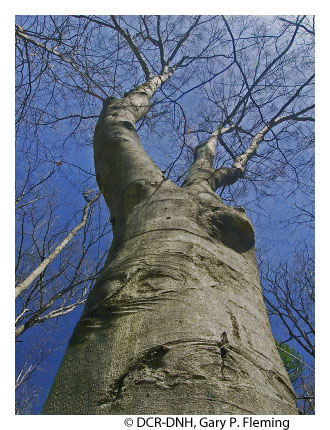
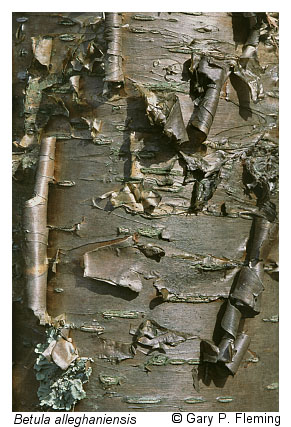
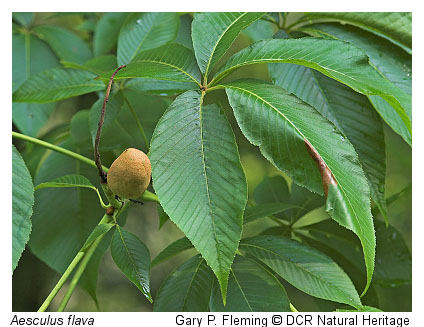
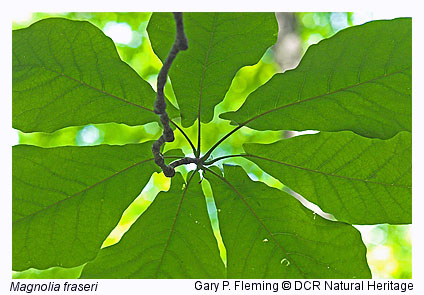
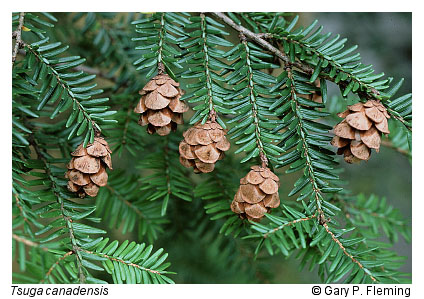
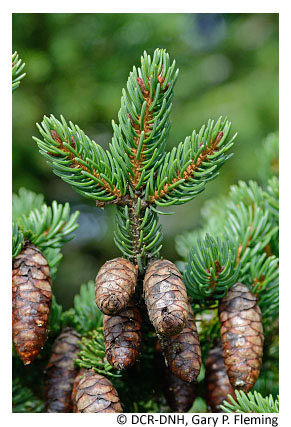
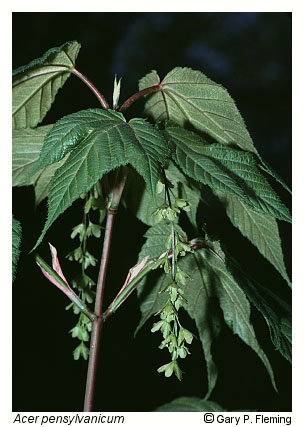
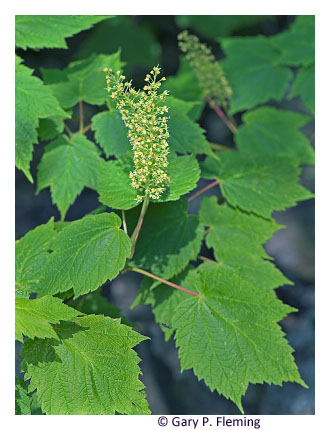
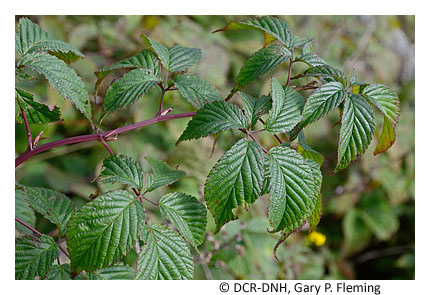
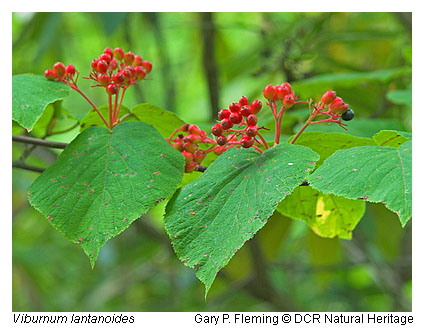
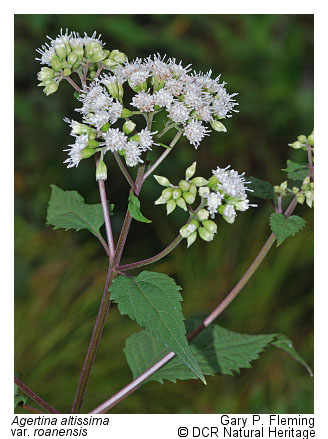
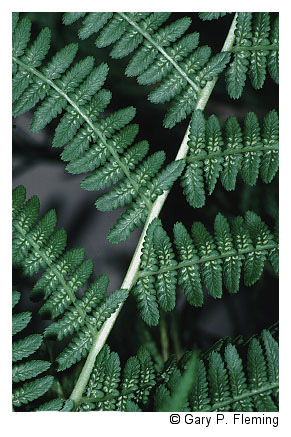
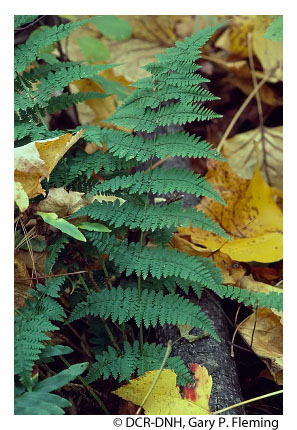
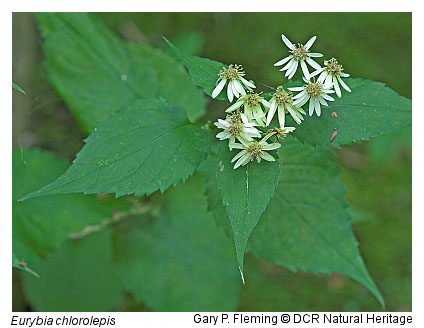
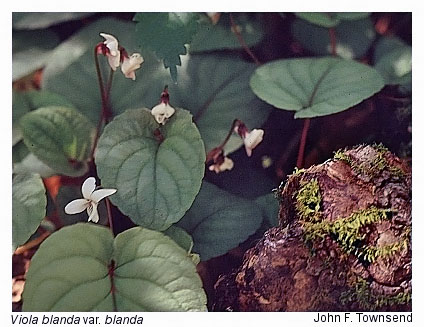
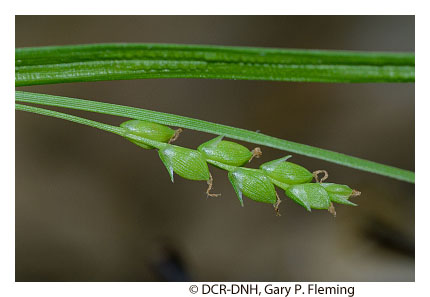
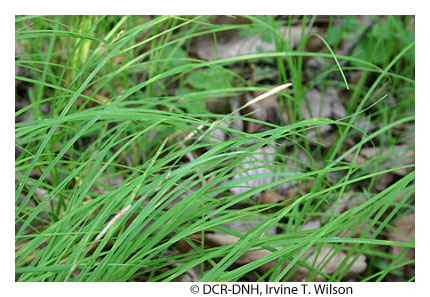
Northern Hardwood Forest communities have distinct regional variation and floristic composition at a given site varies with geography and specific site conditions. Southern Appalachian Northern Hardwood Forests are prevalent throughout the high-elevation Mount Rogers-Whitetop Mountain (Balsam Mountains) area of the Southern Blue Ridge (Grayson, Smyth, and Washington Counties), with more local outliers at the highest elevations of the Iron Mountains (Grayson and Smyth Counties), Clinch Mountain (Russell, Smyth, Tazewell, and Washington Counties), and Black Mountain (Wise County) on the Kentucky border. Co-dominant trees in Southern Appalachian stands are sugar maple (Acer saccharum, American beech (Fagus grandifolia), yellow birch (Betula alleghaniensis), and yellow buckeye (Aesculus flava) in variable proportions. Fraser magnolia (Magnolia fraseri), eastern hemlock (Tsuga canadensis), and red spruce (Picea rubens) are important associate trees in some stands, particularly in the Mount Rogers - Whitetop area. Sapling sugar maple, striped maple (Acer pensylvanicum) and mountain maple (Acer spicatum) are common understory species. Smooth blackberry (Rubus canadensis) and hobblebush (Viburnum lantanoides) are common shrubs. Herb layers are moderately sparse to moderately dense, with graminoid-rich patches tending to occur on the drier slope convexities. Some of the most abundant herbs in the Southern Appalachian Northern Hardwood Forests are Appalachian white snakeroot (Ageratina altissima var. roanensis), southern lady fern (Athyrium asplenioides), evergreen wood fern (Dryopteris intermedia), mountain wood aster (Eurybia chlorolepis), sweet white violet (Viola blanda), and Appalachian woodland sedge (Carex austrolucorum).
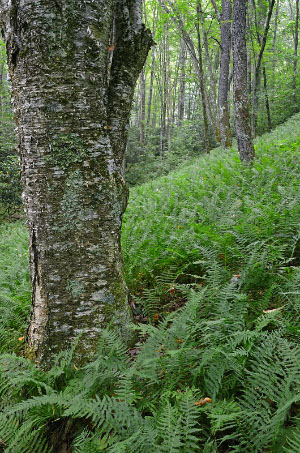
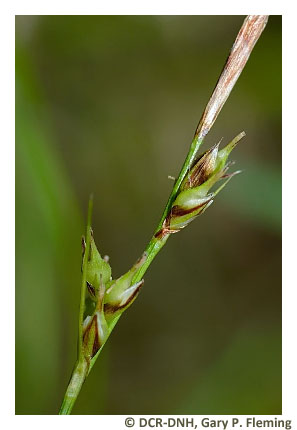
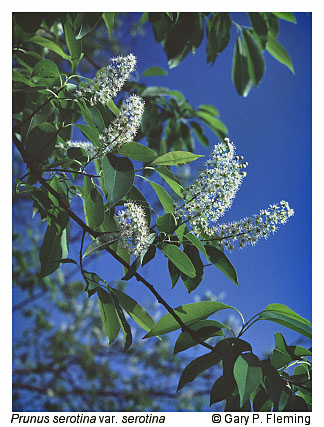
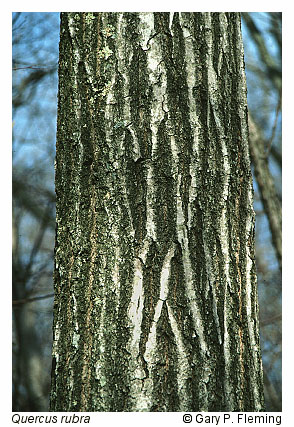
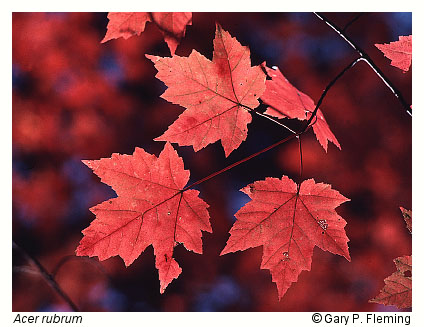
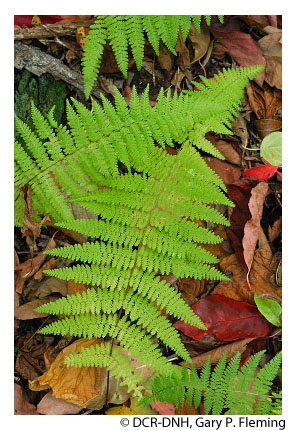
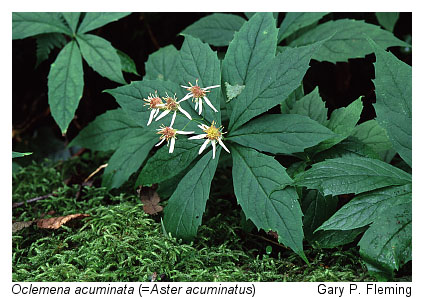
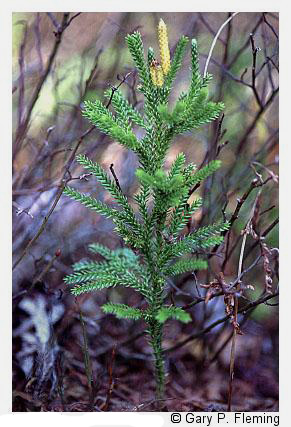
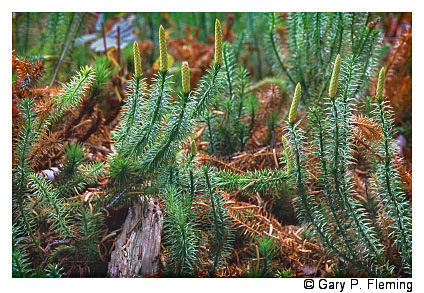
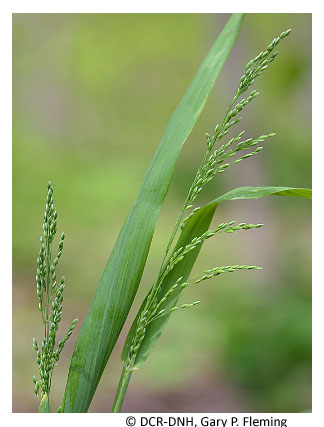
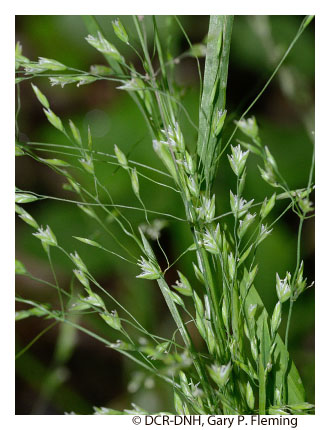
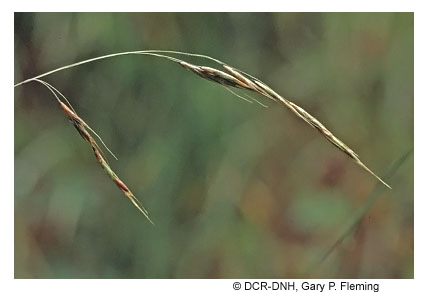
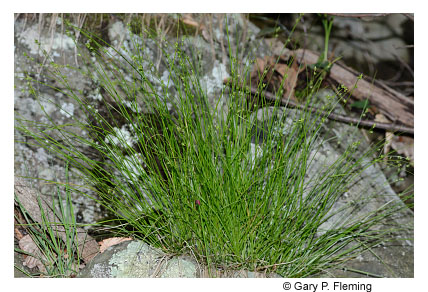
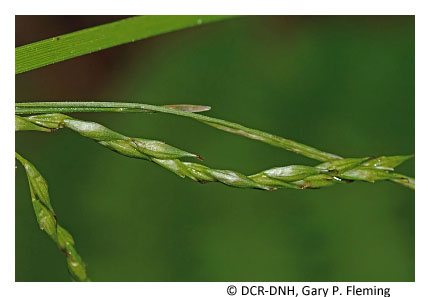
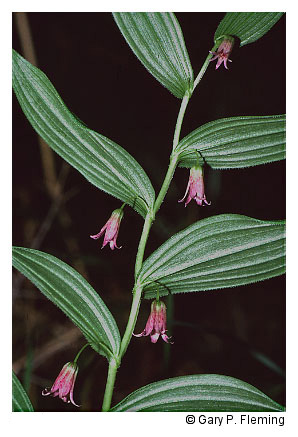
Northern Hardwood stands in the Central Appalachians occur extensively at high elevations (>900 m [3,000 ft]) of Allegheny Mountain in Highland County, with smaller-patch outliers occurring on north-facing slopes over 1,070 m (3,500 ft) in the Blue Ridge, Ridge and Valley, and Cumberland Mountains, south to Tazewell, Russell, and Wise Counties. These are dominated by sugar maple, black cherry (Prunus serotina var. serotina), yellow birch, northern red oak (Quercus rubra), red maple (Acer rubrum), and sweet birch (Betula lenta var. lenta), while American beech, and eastern hemlock are less frequent co-dominants. Overstory composition varies occasionally to nearly pure sugar maple. Striped maple, mountain maple, and mountain holly (Ilex montana) are the chief understory species, along with sapling sugar maple and beech. The herb layers of many stands are characterized by patch-dominance of hayscented fern (Dennstaedtia punctilobula). Other more or less characteristic herbaceous species include whorled wood aster (Oclemena acuminata), evergreen wood fern (Dryopteris intermedia), prickly tree-clubmoss (Dendrolycopodium dendroideum, stiff clubmoss (Spinulum annotinum), tall millet grass (Milium effusum var. cisatlanticum), grove bluegrass (Poa alsodes), northern shorthusk (Brachyelytrum aristosum), purple oat grass (Schizachne purpurascens), sedges (particularly Carex appalachica, Carex flexuosa, Carex digitalis, Carex leptonervia, and Carex woodii), eastern rose mandarin (Streptopus lanceolatus), and sweet white violet (Viola blanda). The importance of red maple, sweet birch, northern red oak, and black cherry in contemporary Central Appalachian examples of this community group reflects secondary succession following catastrophic logging and fire disturbances in the early part of the twentieth century. Sugar maple and beech, both abundant in understory layers and locally co-dominant in the overstory, appear positioned to assume dominance as current secondary stands mature. However, beech-bark disease and excessive deer browsing are serious threats to the future viability of the largest stands on Allegheny Mountain .
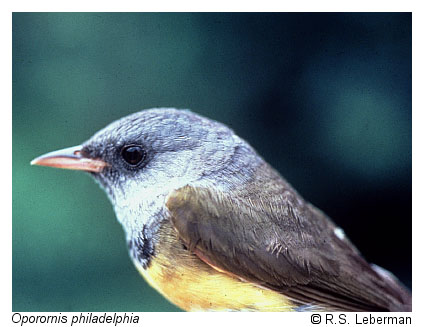
በቨርጂኒያ ውስጥ ቡኒ ክሬፐር (ሰርቲያ አሜሪካን)፣ የሀዘን ዋርብለር (ኦፖሮርኒስ ፊላዴልፊያ) እና ቢጫ-ሆድ ሳፕሱከር (Sphyrapicus varius)ን ጨምሮ በርካታ የሰሜናዊ ዘፋኞች የሚራቡት በሰሜናዊ ደረቅ ጫካዎች ብቻ ነው።
ዋቢ፡- Adams et. አል. (2003)፣ ኩሊንግ እና ራዊንስኪ (1999)፣ ፍሌሚንግ እና ኮሊንግ (2001)፣ ፍሌሚንግ እና ሙርሄድ (1996)፣ ራዊንስኪ እና ሌሎችም። (1996)፣ ራይንሃርት እና ዋሬ (1984)።
የዚህን የስነምህዳር ማህበረሰብ ቡድን ተጨማሪ ፎቶዎች ለማግኘት እዚህ ጠቅ ያድርጉ ።
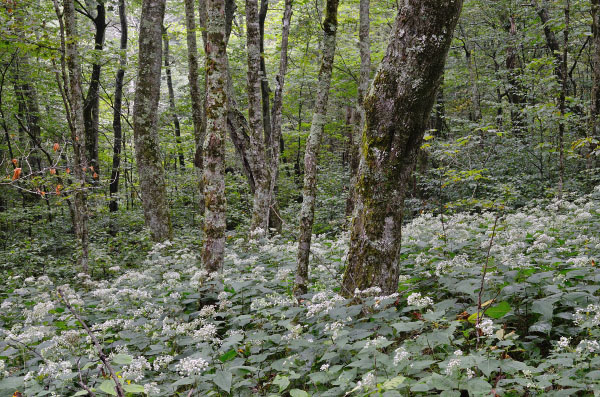 © DCR-DNH, ጋሪ ፒ. ፍሌሚንግ.
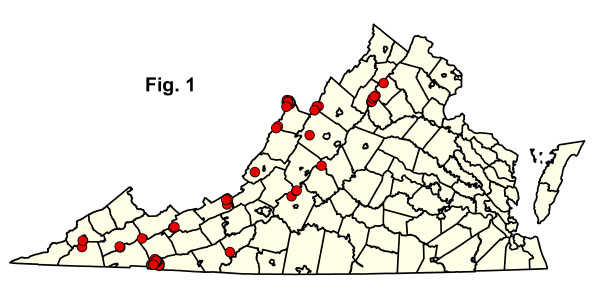
ሰሜናዊ ጠንካራ እንጨት በቨርጂኒያ ውስጥ በተለይም በደቡባዊ ብሉ ሪጅ ተራራ ሮጀርስ-ዋይትቶፕ አካባቢ እና በሃይላንድ ካውንቲ ውስጥ በአሌጌኒ ተራራ ላይ በጥሩ ሁኔታ ተወስዷል። እስካሁን ድረስ፣ የዚህ ቡድን 79 ቦታዎች በ 18 አውራጃዎች (ምስል 1) ውስጥ ናሙና ተሰጥቷቸዋል፣ ምንም እንኳን አንዳንድ የተመደቡ ክፍሎች ከሌሎቹ በተሻለ መረጃ የተደገፉ ቢሆኑም። ነገር ግን፣ ተጨማሪ ናሙናዎች የእነዚህን ክፍሎች መሰረታዊ ፅንሰ-ሀሳቦች የመቀየር ዕድላቸው የላቸውም። በ NatureServe Explorer የቀረበውን አለምአቀፍ የUSNVC መግለጫ ለማየት ከታች ባለው ማንኛውም የደመቀ CEGL ኮድ ላይ ጠቅ ያድርጉ።
 ከዚህ በታች ለተዘረዘሩት ለእያንዳንዱ የማህበረሰብ ዓይነቶች የተቀናበረ ማጠቃለያ ስታቲስቲክስ የተመን ሉህ ያውርዱ ።